
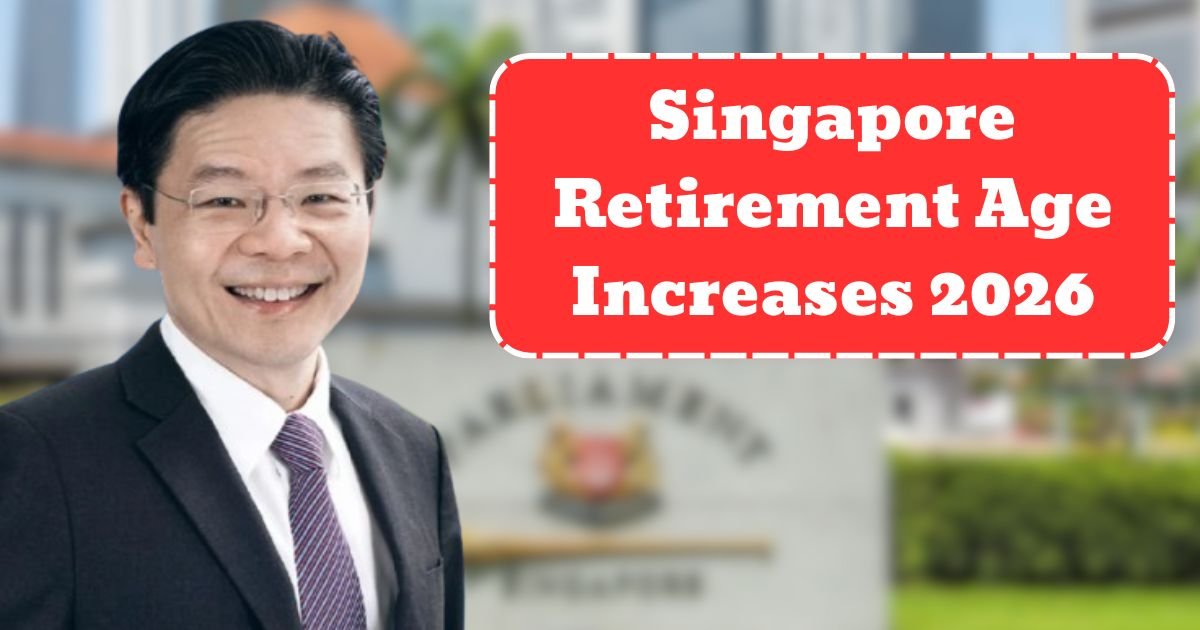
In a hopeful and optimistic move that could sustain the promising path that Singapore’s present dynamic economy takes in the face of aging problems, from 2026, retirement age will be pushed upwards, given that this move is evidence of the intention of the authorities to tap into the wisdom and experience of older workers in addressing demographic challenges. With rising life expectancies and continued changes in the workforce, Singaporeans can now expect longer-duration professional careers.
Significant Changes To Be Implemented From July 1
The retirement age according to law shall be increased from 63 to 64, so an employer cannot cease-to-be-employer-due-to-age before this cut-off.
During this time, how to reacquire necessary inclination for such an ascension from 68 to 69 years? Obligation is imposed to provide such an extension of employment or an alternative for eligible seniors.
These new features are made effective to any Singapore citizen and any PR imposing a good level of performance and health.
According to sources, Singapore is already suffering from an increasingly aging society wherein more and more people are living longer lives. The government perceives that due to the extension of working years, there will be a population influx.
Economic feasibility is anticipated along with providing immense opportunities for savings over the long course. Officials observed the fact that many seniors who are in favor of and want to enjoy their stay at work.
This is deemed in line with some global trends where countries like Japan are being served with a rise in retirement norm.

Advantages For Workers
As old-age employees are being provided due statutory protection to work longer, those who choose to do so might experience higher incomes with an extension of the retirement fund’s benefits being made available. Their health and job satisfaction will likely be enhanced even further when they are engaged in meaningful work. It can even be managed with flexible arrangements, perhaps part-time roles.
It requires adjusting to potential role shifts and negotiated situations.
Challenges For Employers
The companies should get ready with plans on workforce retention strategies. Improvement in CTI programs and equal pay are involved.
If re-employment doesn’t work, make a decent one-off payment. In this way, legal implications will be under control.
On the contrary, however, it will harness variety and knowledge exchange in teams.
Timeline Of Age Adjustments
| Year | Retirement Age | Re-employment Age |
|---|---|---|
| 2022 | 63 | 68 |
| 2026 | 64 | 69 |
| 2030 (Planned) | 65 | 70 |
This marks the rise up in stages, with 2026 coming up with the change.
CPF And Financial Implications
The 55 years of eligibility remains intact, thus not influenced by the periodic adjustments. The contributions will roll on during re-employment.

There is unbelievable potential for saving for retirement for current elderly people. The top age for MediSave contributions is strictly enforced to cater to medical needs.
To get as much mileage as possible out of the program, planning should be the order of the day.
Set Your Sights Ahead
Individuals must take inventory of their skills and health while they are still healthy. Skill upgrade is important for relevance.
Employers should be early adopters of inclusive policies.
All in all, this entire operation would create a more resilient Singapore.
Pros To Uplift Higher Ages
- A source of income for a long time
- Healthy pension pots
- Less of a drain on the welfare system in society
- Sanity-keeping by engaging in work
Cons To Think About
- An ailment for some
- Youth competition in the job market
- Instability down the road if the firms change
- Disparate banking on health
This full awareness aims to ride the two faces of the same object.

 Join
Join