
KEY HIGHLIGHTS
- Japan raises interest rates to 0.75%, the highest level since 1995.
- The move signals the end of decades of ultra-cheap money from the BOJ.
- For Singapore investors, yen assets and Asia markets could see fresh volatility.
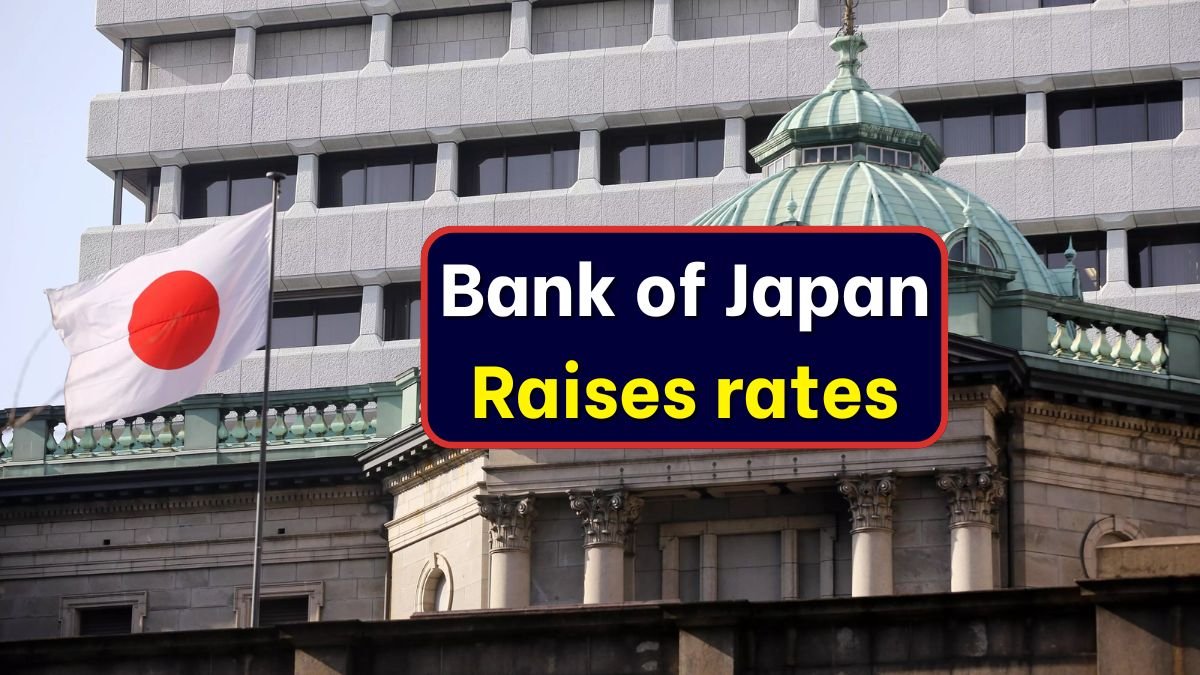
The Bank of Japan (BOJ) has raised its key policy rate to around 0.75%, a level not seen since September 1995. For a country famous for near-zero rates, this is a big deal.
The decision was announced after the December 2025 Monetary Policy Meeting, and it was unanimous. No split votes. No hesitation.
Japan Rate Hike Hits 0.75%
| Item | Details |
|---|---|
| New policy rate | Around 0.75% |
| Previous rate | Around 0.5% |
| Highest since | September 1995 |
| Decision vote | Unanimous |
| BOJ stance | Gradual tightening, still supportive |
Why the BOJ Is Finally Hiking Rates
Honestly speaking, Japan didn’t wake up one day and decide to hike.
This move reflects growing confidence that the economy can stand on its own without emergency-level support.
The BOJ said clearly that if economic growth and inflation continue as expected, more rate hikes could come. That’s a huge shift after decades of ultra-loose monetary policy.
At the same time, the Bank stressed that financial conditions remain accommodative. In simple terms: borrowing is still relatively cheap, just not “free money” anymore.
Inflation Is Closer to Target — And That Changes Everything
Japan’s long struggle has always been low inflation.
Now, things look different.
The BOJ noted rising confidence that core inflation will align with its 2% price stability target, especially in the second half of its forecast period.
What’s driving this?

Companies are finally passing higher wages into higher prices. That’s something Japan hasn’t seen consistently in years.
Wage Growth Is the Quiet Power Behind This Move
For most Singaporeans watching Japan, wages are the key signal.
The BOJ believes firms will continue raising wages steadily, following strong increases already seen this year.
This matters because sustainable inflation only works if wages rise too. Without wage growth, price hikes usually fade fast.
The Bank also sees low risk of wage momentum stalling, which gives policymakers more confidence to tighten gradually.
What This Means for Singapore and Asia Markets
No need to overthink — but don’t ignore it either.
A stronger Japanese yen could affect:
- SG investors holding Japan stocks or ETFs
- Regional currencies, including Asian FX pairs
- Crypto markets, which tend to react to global liquidity shifts
Japan has been one of the last major sources of cheap money. As that tap tightens, risk assets across Asia-Pacific may see short-term swings.
Global Risks Are Still There — But Less Scary
The BOJ also commented on global conditions, especially trade policy risks.
While uncertainties remain, the Bank said these risks — particularly from the US economy and trade policies — have declined.

That gives Japan more room to focus inward, instead of constantly defending its economy from external shocks.
Worth Worrying About or Not?
For Singapore retail investors: watch, don’t panic.
This is a slow exit, not a sudden brake. But it does mark the end of an era — and markets will adjust accordingly.
If you hold yen-related assets, Asia funds, or crypto, expect more movement ahead.
Frequently Asked Questions
Does Japan’s rate hike affect Singapore interest rates?
Not directly. Singapore rates are driven mainly by US monetary policy, but Japan’s move can influence global liquidity and investor sentiment.
Will the Japanese yen strengthen after this?
Potentially yes. Higher rates generally support the yen, but currency moves also depend on US dollar strength and market expectations.
Should Singapore investors change their portfolios now?
No rush. However, it’s wise to review exposure to Japan equities, yen assets, and risk-sensitive investments.

 Join
Join